
Systemic sclerosis and the lungs
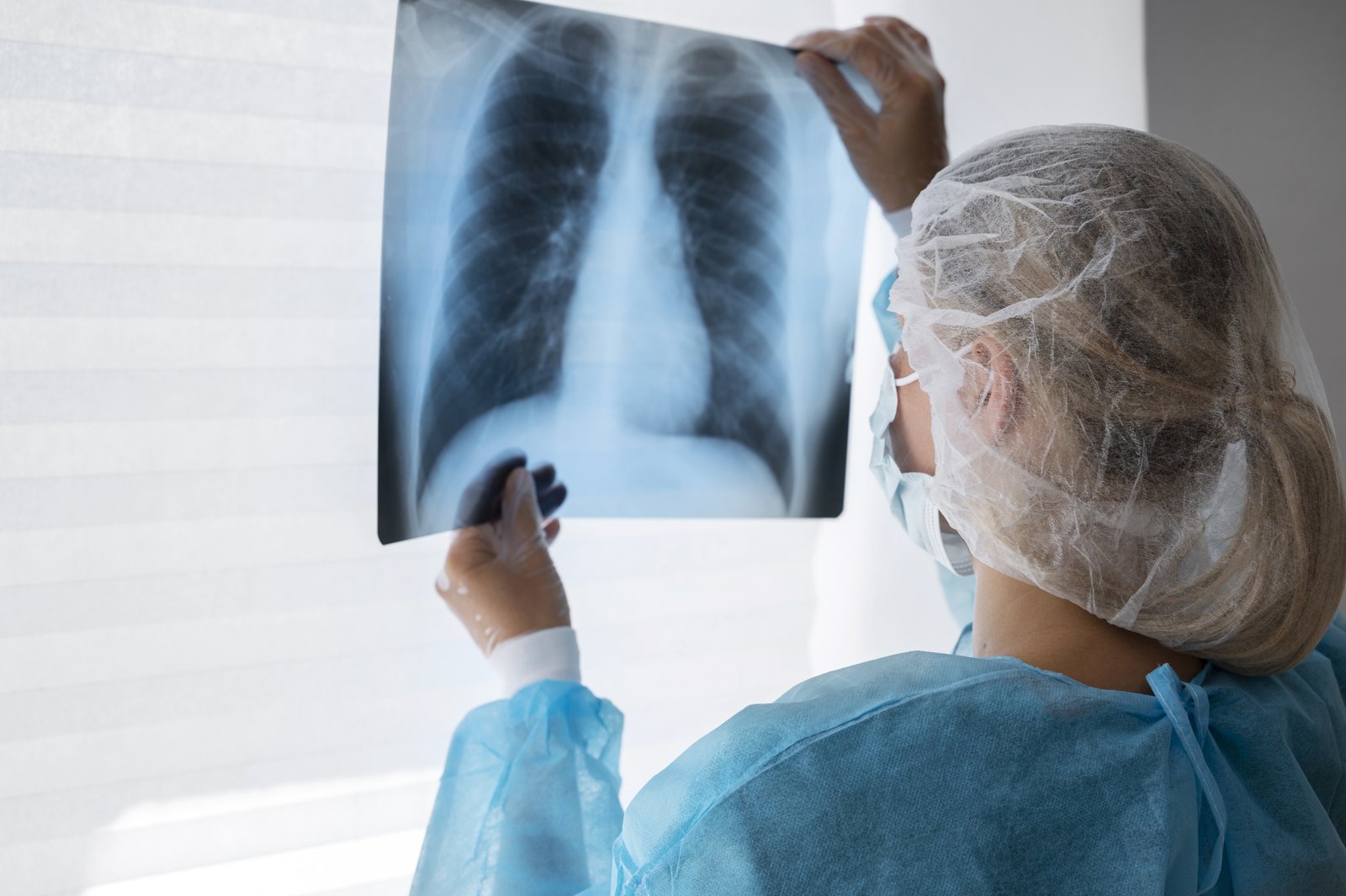
Lung involvement is a fairly common complication of systemic sclerosis. Although there may symptoms, it is essential that lung disease is identified as early as possible, so that you can b treatment if necessary.
The lungs
Up to half of people living with systemic sclerosis will have some form of lung involvement, m condition is affecting the lungs and how well they are able to function.
In many cases, lung involvement will be limited in its extent and remain stable, causing symp and often requiring no specific treatment. In around 20% of cases, the disease will progress o which may result in significant scarring and will require treatment to help maintain quality o will often be a much better outlook if the condition is diagnosed at an early stage.
Types of lung involvement in systemic sclerosis
There are two forms of lung disease that are common in scleroderma:
- Interstitial lung disease (ILD) (also known as pulmonary fibrosis)
- Systemic sclerosis-associated pulmonary arterial hypertension (SSC-PAH)
Symptoms • • • • • • • • • •
Breathlessness that may be worse on exertion, such as walking uphill or climbing stairs A persistent cough Feeling tired or fatigued from daily activities Difficulty in breathing deeply A feeling of tightness within the chest Feeling lightheaded A racing heartbeat or heart palpitations Chest pain Swollen legs Cyanosis, meaning a bluish colour to the lips and sometimes the skin
For some people, there will be no obvious symptoms at all. Shortness of breath, or breathles common signs of lung involvement, and it is important to tell your doctor if you notice any c
- Chest pain
- Swollen legs
- Cyanosis, meaning a bluish colour to the lips and sometimes the skin For some people, there will be no obvious symptoms at all. Shortness of breath, or breathlessness on exertion are common signs of lung involvement, and it is important to tell your doctor if you notice any changes.
Interstitial lung disease
Interstitial lung disease (ILD) occurs when there is scarring within the lungs and is the most common form of lung involvement in systemic sclerosis. In ILD, the walls of the small air sacs (alveoli) that make up the lungs become thickened by a mixture of inflammation and fibrosis.
In normal lung function, the alveoli help to transfer oxygen from the air that we inhale into the bloodstream. They also remove carbon dioxide from the air that we breathe out. With interstitial lung disease, these processes can be affected, preventing the lungs from working as they should. Because of the presence of scarring, this condition is also called pulmonary fibrosis. Breathlessness is the most common symptom of ILD, which may be more noticeable on exertion or when climbing stairs or walking uphill. You may also have a persistent cough and decreased tolerance to exercise. However, if lung involvement is quite limited, you may have no symptoms at all.
Diagnosis
Testing is an essential part of the management of SSc, and this can detect signs of lung involvement at an early stage. For more information on how ILD is diagnosed, please click here.
Treatment
There are several treatments available for ILD, and the best option will depend on your individual situation. For more information on current treatments, please click here.
This English version is a translation; in case of doubt, the Bulgarian version applies.